








If you are searching for a futon bed in Melbourne — whether for a compact apartment, a guest room, or a Japanese-inspired bedroom — the options available in 2026 are better than ever. A quality futon bed can serve as your primary sleeping surface, a comfortable sofa, or a space-saving solution that eliminates the need for two separate pieces of furniture. Understanding what to look for in terms of mattress material, frame construction, and size will make the difference between a purchase you love for years and one you regret within months. This guide covers everything: the different types of futon mattresses available in Australia, how to choose the right futon sofa bed or bed base, how Japanese futon styles compare with Western designs, and where Melbourne buyers can find locally manufactured options built specifically for Australian conditions.
What Makes a Futon Bed Different From a Standard Mattress?
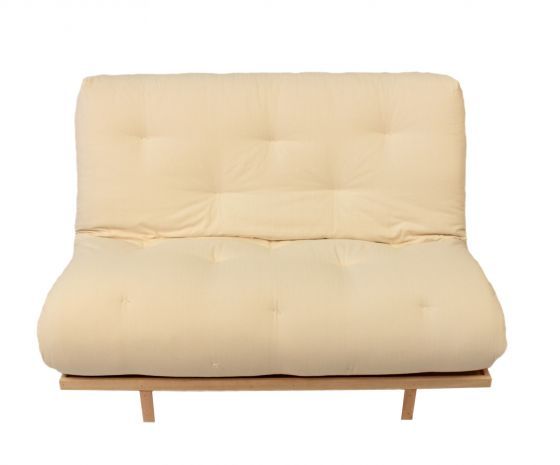
The term “futon bed” covers a spectrum of furniture. In its original Japanese form, a futon (布団) is a thick, pliable floor mattress — the shikibuton — designed to be rolled and stored during the day, freeing up living space. In its Western interpretation, a futon bed typically refers to a sofa bed frame paired with a foldable mattress that converts between a couch and a flat sleeping surface.
What both share is versatility. The core value of a futon bed has always been its ability to perform multiple functions in a single piece — something increasingly relevant for Melbourne’s growing apartment culture, where spare rooms are a luxury and multi-use furniture is a practical necessity.
Modern Australian futon beds are far removed from the cheap, saggy frames that gave futons a bad reputation in the 1990s. Today, locally manufactured futons use hardwood frames, quality natural fibre mattresses, and thoughtful engineering that supports both seated and sleeping postures properly.
Futon Mattress Materials: Cotton, Wool, Foam and Latex Explained
The mattress is the heart of any futon bed. Material choice determines how the mattress feels, how long it lasts, how it responds to Melbourne’s seasonal humidity, and whether it is suitable for nightly use or occasional guests. The main options available from Australian futon manufacturers include:
Cotton Futon Mattresses
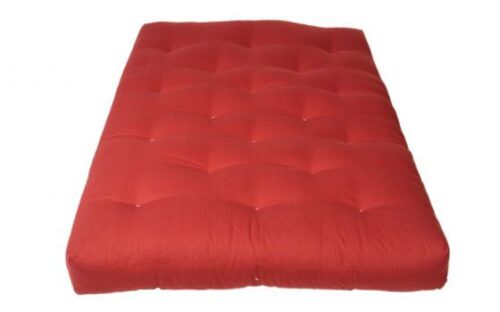
Cotton is the most traditional futon mattress material. A cotton futon mattress compresses firmly under body weight, providing even support without the bounce associated with springs. Australian cotton futons are typically tightly packed in layers, producing a firm sleeping surface that many back pain sufferers find genuinely therapeutic. Cotton is naturally breathable — an important consideration for Melbourne summers — and cotton futons tend to be more affordable than wool or latex options.
The main consideration with a cotton futon mattress is that it will compress and firm up further over time. Regular rotation and occasional sunning (laying the mattress in direct sunlight for a few hours) helps restore loft and hygiene.
Wool Futon Mattresses
Wool adds natural temperature regulation and moisture-wicking properties to a cotton base. A cotton-wool combination futon mattress is particularly popular with Melbourne buyers who experience both hot summers and cold winters — wool breathes in warm weather and insulates in the cool months. Wool also has natural resistance to dust mites and mould, making it a practical choice for allergy-prone sleepers.
Products like the Super Wool Sumo — one of Back To The Futon’s most consistently reviewed mattresses — demonstrate how well-constructed wool futons perform for everyday sleeping. Multiple customer reviews specifically cite relief from chronic back pain after switching to a wool futon mattress.
Foam and Combination Futon Mattresses
Foam-core futon mattresses offer more immediate cushioning and tend to be lighter in weight. They are often used in futon sofa bed applications where the mattress needs to fold without cracking. Combination mattresses — cotton and foam, or wool and foam — balance the supportive density of natural fibres with the softness and foldability of foam.
Latex Futon Mattresses
Latex is increasingly popular for those seeking a futon-style sleeping experience with more pressure relief. Latex responds to body contour without the heat retention associated with memory foam, and it provides consistent support for a wide range of sleeping positions. Latex futon options available in Australia suit buyers who want the space-saving format of a Japanese floor mattress with the comfort of a premium mattress material.
| Mattress Type | Feel | Breathability | Best For |
|---|---|---|---|
| Cotton | Firm, even support | High | Daily sleeping, traditional Japanese style |
| Cotton + Wool | Medium-firm, temperature regulating | Very high | Year-round use in Melbourne climate |
| Foam + Cotton | Softer top, firm base | Moderate | Sofa beds, guest rooms |
| Latex | Responsive, pressure-relieving | High | Premium daily sleeping, side sleepers |
Futon Sofa Beds: The Space-Saving Choice for Melbourne Apartments
For Melbourne renters and apartment owners, the futon sofa bed solves a very real problem: how to comfortably host a guest overnight without dedicating an entire room to a bed that sits unused most of the year.
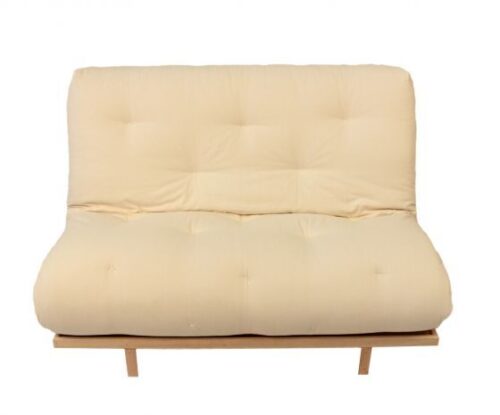
A quality futon sofa bed operates as a proper couch during the day — with a solid frame, a well-supported backrest, and a mattress that holds its shape in the seated position — and unfolds into a flat, supportive sleeping surface within seconds. The best designs do not require wrestling with awkward mechanisms or living with a lumpy mattress that compromises on both functions.
Back To The Futon manufactures several futon sofa bed bases in Melbourne, each suited to different spaces and use cases:
- Tri-fold Bed Base — A compact, highly versatile frame that folds into thirds. Ideal for smaller rooms and studios where floor space is at a real premium. Available from $290.
- Armless Sofa Bed Base — A clean-lined, contemporary design that works well as a primary sofa in living rooms and home offices. Available from $489.
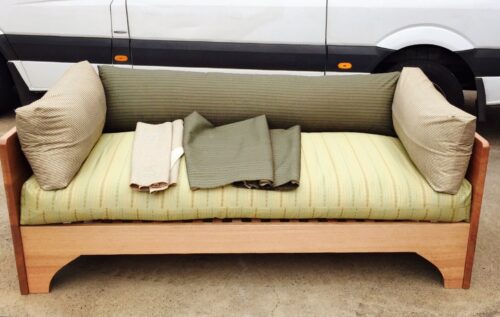
- Tahani Sofa Bed Base — A more substantial frame with a refined aesthetic, suited to dedicated living rooms where the sofa function is used daily. Available from $559.
All frames are manufactured locally at the Preston workshop premises, using solid timber construction. Same-day delivery within Victoria is available when items are in stock — a practical advantage for Melbourne buyers who need a quick turnaround.
Japanese Futon Beds: Traditional Style, Modern Australian Living
The Japanese futon is experiencing a genuine revival in Australian homes, particularly in Melbourne’s inner suburbs where minimalist and Japandi-influenced interiors have become genuinely mainstream. A Japanese futon — typically a tatami-style floor mattress — places the sleeping surface close to the ground, creating a visually calm, low-profile bedroom aesthetic that also photographs beautifully.
Beyond aesthetics, Japanese futon advocates point to practical benefits: floor sleeping encourages a more grounded sleeping posture, the lower height means a cooler sleeping environment in summer (heat rises), and the ability to roll and store the mattress frees up floor space for yoga, stretching, or a more open room layout during the day.
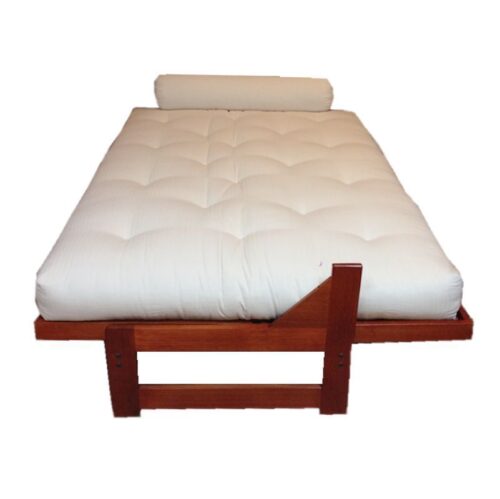
A Japanese futon sofa bed takes this concept further by combining the flat floor mattress with a low-profile timber base that can function as a day seat. Back To The Futon’s range of floor futons and tatami-compatible mattresses reflects this growing Melbourne demand for Japanese-inspired sleeping solutions that do not sacrifice quality or durability.
Japanese Futon: Key Considerations for Australian Buyers
- Choose a mattress with a minimum thickness of 8 cm for comfortable nightly use on a hard floor.
- Natural fibre mattresses (cotton, wool) breathe better than synthetic alternatives — important for Melbourne’s humid summers.
- A futon cover protects the mattress surface and makes cleaning far easier — essential for a floor-level mattress.
- Air the mattress in direct sunlight every few weeks to refresh the fibres and prevent moisture build-up.
- Tatami mats beneath the mattress improve air circulation and provide an authentic Japanese sleeping environment.
Futon Bed Frames and Bases: What to Look For
The futon bed frame or base is just as important as the mattress. A poorly constructed frame undermines even the best mattress, while a well-built hardwood base adds years of reliable performance and contributes significantly to the overall aesthetic of the bedroom.
Timber Quality
The most durable futon bed frames utilize solid, heavy-duty timber. Back To The Futon produces its frames locally at its Preston workshop using quality solid timber and New Zealand Pine runners. The difference in weight, rigidity, and finish compared to imported flat-pack alternatives is immediately apparent. A well-constructed timber futon frame will not flex, creak, or fail at joints the way cheaper frames often do within the first year of use.
Low Bed Bases
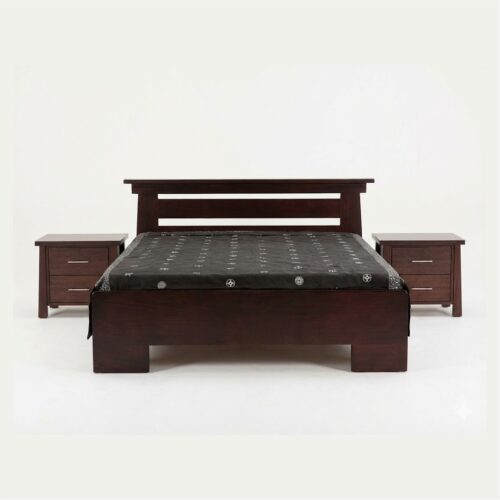
Low-profile bed bases complement the Japanese futon aesthetic while accommodating a standard futon mattress. Back To The Futon’s low bed base range is engineered with clean lines and structural integrity, creating a foundation that works equally well with a cotton futon mattress or a contemporary foam option.
Custom and Make-to-Order Frames
One advantage of working with a local Melbourne manufacturer is the ability to order custom-made furniture. Back To The Futon accepts bespoke frame commissions — customers have requested non-standard heights, specific timber finishes, and integrated storage designs. This level of customisation is not possible with imported or mass-produced furniture.
Futon Covers and Accessories: Protecting Your Investment
A futon mattress is a meaningful purchase, and a quality futon cover is the simplest way to protect it. Covers serve both practical and aesthetic functions: they prevent staining, reduce wear on the mattress surface, provide an additional layer of comfort, and allow you to update the visual style of your futon without replacing the underlying mattress.
Back To The Futon’s futon accessories range includes covers in a variety of colours and fabrics suited to both sofa bed and floor futon configurations. When selecting a futon cover, prioritise a close fit (a loose cover bunches and shifts with use), a durable fabric that can withstand regular washing, and a zipper closure that allows easy removal.
Beyond covers, useful premium additions to their accessory layout include pure cotton pillows, long support bolsters, and traditional tatami mats for authentic floor configurations.
Futon Bed Size Guide for Australian Buyers
Australian standard bed sizes apply to futon mattresses and frames. The most common futon sizes available at Back To The Futon include:
- Single futon mattress — 92 × 188 cm. Ideal for children’s rooms, small guest rooms, and individual floor setups.
- King single futon mattress — 107 × 203 cm. A popular choice for teenagers and adults who want more width than a standard single.
- Double futon mattress — 138 × 188 cm. The most versatile size for both sofa beds and floor futons. Works well in most Melbourne apartment bedrooms.
- Queen futon mattress — 153 × 203 cm. The preferred size for primary bedrooms and couples.
- King futon mattress — 183 × 203 cm. For buyers who want maximum sleeping space without compromising on the futon format.
When choosing a size for a futon sofa bed, consider the dimensions of the frame in both the sofa and bed configurations. A queen futon sofa bed requires more floor space when unfolded than a single or double configuration — important in Melbourne apartments where layout planning is essential.
Caring For Your Futon Mattress: Simple Steps That Extend Its Life
A well-maintained futon mattress will serve you comfortably for ten years or longer. The most important care practices are:
- Rotate regularly: Flip and rotate your futon mattress every two to four weeks. This distributes wear evenly and prevents permanent body impressions forming in one area.
- Air in sunlight: Natural fibre mattresses benefit enormously from direct sunlight exposure. A few hours on a dry, sunny Melbourne day refreshes cotton and wool fibres, eliminates moisture, and naturally sanitises the mattress without chemicals.
- Use a futon cover: A well-fitted cover dramatically reduces surface soiling and abrasion, extending the life of the mattress fabric significantly.
- Avoid prolonged folding: If your futon mattress is used on a sofa bed, try to unfold it flat at least a few times per week. Keeping a foldable mattress compressed in the sofa position for extended periods accelerates wear at the fold line.
- Ensure airflow beneath: If using a floor futon, ensure the area beneath is ventilated. Lifting and standing the mattress daily — a core practice in traditional Japanese futon use — prevents moisture from accumulating between the mattress and the floor.
Why Buying a Locally Made Futon Bed in Melbourne Matters
The Australian futon market includes imported flat-pack options that appear attractive on price but consistently disappoint on durability, material quality, and after-sales support. A locally manufactured futon bed from a Melbourne-based maker offers advantages that matter in the real world.
Back To The Futon has been producing futon beds at their Nunawading workshop for years, and every mattress and frame is made on-site. This means consistent quality control, the ability to customise orders, faster delivery turnarounds, and a team you can actually speak with when you have a question about your purchase. As Australia’s largest futon manufacturer and retailer, Back To The Futon ships nationally while maintaining same-day delivery for Melbourne metro customers when stock is available.
The difference between a locally made hardwood futon frame and an imported equivalent is immediately apparent when you sit on it, pick it up, and assemble it. Local production also means the materials — cotton, wool, timber — are sourced and processed with Australian conditions and standards in mind.
Frequently Asked Questions About Futon Beds
Conclusion: Finding the Right Futon Bed in Melbourne
A futon bed is one of the most practical and versatile furniture decisions you can make for a Melbourne home in 2026. Whether you are after a Japanese floor futon for a minimalist bedroom, a futon sofa bed for a studio apartment that doubles as a guest space, or a solid hardwood futon bed base paired with a locally made cotton-wool mattress, the quality available from dedicated Australian manufacturers has never been higher.
The key is buying from a maker who understands Australian conditions, uses quality materials, and stands behind their products. Back To The Futon in Nunawading has been serving Melbourne customers for years as Australia’s largest futon manufacturer and retailer — with the reviews, the locally made credentials, and the product range to back that claim.
Explore the full range of futon mattresses, futon sofa beds, and bed bases at Back To The Futon. Same-day delivery is available across Victoria for in-stock items.
