
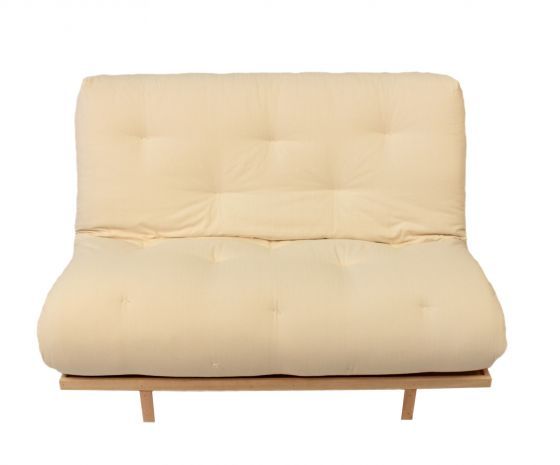
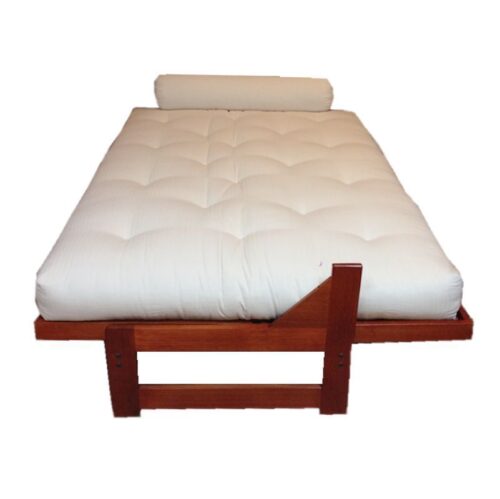
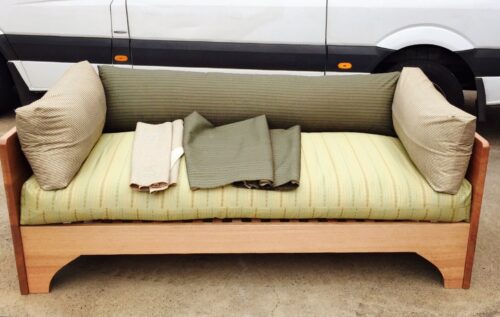
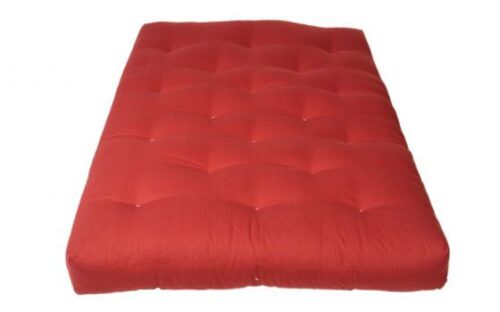





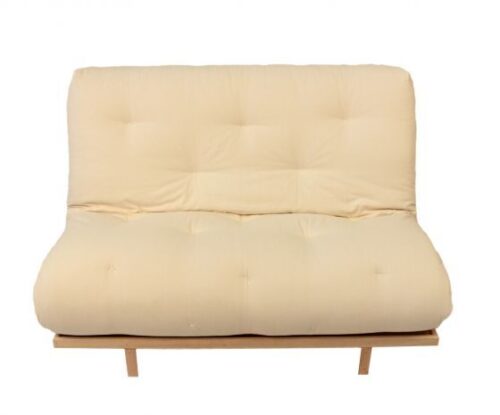



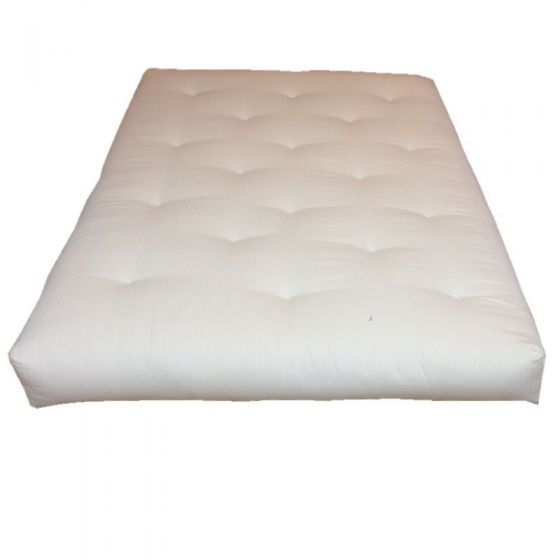

Futon Mattresses in Sydney CBD have become the go-to bedding solution for inner-city apartment dwellers who need comfort without bulk. However, most buyers walk in knowing only one thing: their current mattress has stopped working. Whether it sags in the middle, smells faintly of accumulated moisture, or simply no longer supports a full night’s rest, a worn futon mattress affects sleep quality fast. Therefore, this guide covers everything: when to replace, which thickness actually supports daily sleeping, how cotton and foam differ in real use, what Japanese-style options offer, and how to choose a size that fits your Sydney CBD space without compromise.
Furthermore, this is not a product catalogue. Instead, it is a practical decision-making tool built around the real questions Sydney CBD renters, apartment owners, and compact-living converts ask before spending money on a futon mattress replacement.
| 8+ Yrs Maximum Lifespan of a Daily-Use Futon Mattress | 10-15cm Recommended Thickness for Nightly Sleeping | 4 Sizes Standard Australian Futon Mattress Options | 6cm Max Slat Gap for Proper Base Ventilation |
When Your Futon Mattress Is Actually Telling You to Replace It
Most people wait too long. They flip the mattress, rotate it, add a topper, and hope for another season. Meanwhile, the structural core has already broken down. Consequently, sleep quality declines, and back pain becomes a morning routine.
Generally speaking, a futon mattress used as a primary bed lasts between five and eight years. However, several factors accelerate that decline significantly. Body weight above 90 kg compresses cotton-fill mattresses faster. Meanwhile, humid inner-city apartments without adequate airflow cause moisture retention that weakens fibre integrity from the inside out.
Watch for these signals specifically:
- A visible central sag that returns after rotation
- Lumps or uneven surface texture that cannot be smoothed
- A musty odour that persists after airing
- Consistent back or hip discomfort on waking
- A cover that shows yellowing or staining through the fabric
Additionally, futon mattresses used for occasional guest sleeping can extend their lifespan considerably. However, once a mattress serves as your primary bed nightly, that timeline shortens. Therefore, treat replacement not as an expense but as a sleep health investment.
Verified Quick Fact
According to the Sleep Health Foundation Australia, poor sleep surface quality is a leading contributor to sleep fragmentation and daytime fatigue in adults aged 25-45. Replacing a worn mattress is one of the most direct interventions available.
Moreover, knowing when to replace is only half the challenge. Understanding what to replace it with determines whether the new mattress actually solves the problem or simply delays it.
Futon Mattress Thickness: Why the Right Depth Changes Everything
Thickness is the single most misunderstood specification in futon mattress shopping. Buyers often choose thinner options to save money or minimise bulk. However, choosing the wrong thickness leads to the same discomfort they were trying to escape.
Here is how thickness categories break down in practical terms for Australian buyers:
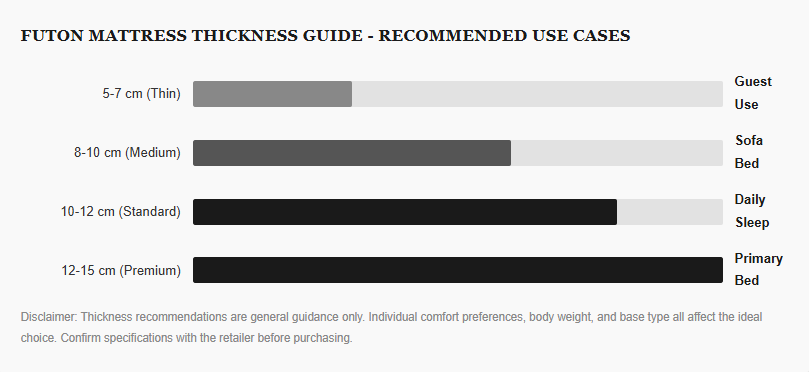
Specifically, anyone planning to sleep on their futon mattress every night should start at 10 cm minimum. Below that threshold, most adults feel the base structure underneath regardless of filling type. Furthermore, people over 80 kg benefit strongly from a 12-15 cm mattress with high-density filling.
Additionally, futon thickness interacts directly with your frame or base choice. A thicker mattress on a shallow futon frame may fold awkwardly when converting to sofa position. Therefore, always verify the frame’s folding clearance before selecting a mattress above 12 cm.
Browse futon mattresses at Back to the Futon to compare thickness options with compatible base recommendations side by side.
Cotton vs Foam Futon Mattress: An Honest Comparison for Daily Use
Both materials have genuine strengths. Neither is universally superior. However, the wrong choice for your lifestyle wastes both money and sleep quality. Therefore, understanding how each material behaves over time matters more than brand claims or price points.
| COTTON FUTON MATTRESS • Breathes naturally in warm Sydney CBD apartments • Temperature-neutral across seasons • Compresses gradually with regular use • Suits natural-material and eco-conscious buyers • Requires more frequent rotation to maintain even surface • Typically lighter and easier to fold on convertible frames • Can absorb moisture if not aired regularly • Often available with organic or untreated cotton fill | FOAM FUTON MATTRESS • Resists body impression longer than cotton • Consistent support surface regardless of sleep position • Higher-density foam extends lifespan significantly • Less breathable than cotton in humid weather • Heavier than cotton fill at comparable thickness • Suits daily sleepers who need firm, lasting support • May retain body heat in warmer Sydney months • Often combined with cotton layers for temperature balance |
In practice, many premium futon mattresses sold in Australia combine both materials. Specifically, a cotton-wrap over a foam core offers the breathability of natural fibre alongside the structural resilience of foam. Consequently, this hybrid approach suits most Sydney CBD apartment dwellers well.
Moreover, if you prioritise sustainability and chemical-free sleeping, a pure cotton or wool-filled option aligns better with those values. Conversely, if your primary concern is mattress longevity and back support, a high-density foam core delivers more consistent performance over a longer period.
Furthermore, ask specifically about foam density ratings when shopping. A low-density foam mattress under 25 kg/m3 will break down faster than a high-density option above 30 kg/m3. This single specification often determines whether a foam futon mattress lasts three years or seven.
For a closer look at compatible bed bases that support both cotton and foam futon mattresses, Back to the Futon provides detailed product pairing guidance online.
Japanese Futon Mattresses vs Western Futons: What the Difference Means for Sydney CBD Buyers
The term “futon” covers two very different products. Confusing them leads to purchasing something that doesn’t suit your living setup at all. Therefore, understanding the distinction upfront saves significant frustration.
According to Wikipedia’s entry on futons, the traditional Japanese futon is a set of foldable bedding consisting of a shikibuton (sleeping mattress) and kakebuton (duvet), designed specifically for floor sleeping and daily rolling and storage. These are thin, typically 5-8 cm thick, and built around the cultural practice of airing bedding daily to manage humidity.
| Japanese Futon Thin, foldable, floor-based. Designed for daily rolling and airing. Traditional cotton fill. Not designed for Western-style futon frames. | Western Futon Thicker construction. Designed for futon frames or sofa bed bases. Available in cotton, foam, and hybrid fills. Converts between sofa and bed positions. | Tatami Floor Futon A hybrid concept gaining popularity in Sydney CBD apartments. Thin enough for floor or tatami mat use, but constructed for Australian humidity conditions. |
Western futon mattresses sold in Australian specialty stores are considerably thicker and designed for use on futon frames or sofa bed mechanisms. Consequently, they do not fold as compactly and are not intended for the same daily storage routine as traditional Japanese models.
However, the Japanese-inspired approach to floor sleeping has grown noticeably in Sydney CBD apartments. Many inner-city dwellers without space for a full bed frame now place a thicker Australian-made futon mattress directly on the floor or on a low tatami platform. This requires diligent daily airing to prevent moisture accumulation beneath the mattress – a critical point in Sydney’s humid coastal climate.
Furthermore, if you are specifically seeking a traditional tatami floor futon experience, look for products designed with Australian conditions in mind. These use moisture-wicking cover fabrics and denser cotton fills that tolerate Sydney’s subtropical humidity better than imported Japanese models.
Verified Quick Fact
The traditional Japanese custom of rolling and hanging futon bedding daily originated from necessity in Japan’s humid climate – a practice directly relevant to Sydney CBD apartment living. The Australian Government’s healthdirect service notes that mattress hygiene and room ventilation directly affect sleep quality and respiratory health.
Futon Mattress Size Guide for Australian Apartments
Sizing is where many Sydney CBD buyers make avoidable mistakes. Specifically, they assume futon mattress dimensions match their existing bedding perfectly. Sometimes they do. However, futon mattresses can vary slightly by brand, and international sizing standards differ from Australian standards.
| Single 92 cm x 188 cmIdeal for studios, single-occupant Sydney CBD apartments, and children’s rooms. | King Single 107 cm x 203 cm Best for taller sleepers in compact spaces who need extra length without full double width. | Double 138 cm x 188 cm Suits one-bedroom apartments and couples who prioritise floor space over bed width. | Queen 153 cm x 203 cm Matches standard Australian queen bed frames. Most popular size for futon frame conversions. |
Before ordering, measure your existing frame or floor space precisely. Additionally, confirm whether the manufacturer’s listed dimensions refer to the uncompressed or compressed state, as some cotton-fill mattresses compress 1-2 cm in thickness and minimally in length after initial use.
Moreover, if you are replacing a mattress on an existing futon frame, verify the frame’s mattress size specification directly. Some older frames sold in Australia use non-standard dimensions that do not match current retail sizing. Therefore, measure twice before ordering.
For comprehensive futon mattress size specifications, Back to the Futon lists exact dimensions and compatible frame pairings on each product page.
Ventilation and Humidity: The Hidden Challenge in Sydney CBD Apartments
Sydney’s coastal humidity creates a specific challenge for futon mattress owners. Unlike inland Australian cities, Sydney CBD apartments frequently experience warm, moist air that settles beneath low-profile bedding and futon mattresses placed directly on floors.
Consequently, moisture accumulates between the mattress underside and the floor surface. Over time, this creates conditions where mould and mildew develop inside the mattress fill – a problem that is both a health concern and a mattress-life killer.
Therefore, follow these ventilation practices consistently:
- Lift and lean your floor futon against a wall for 20-30 minutes each morning
- Use a slatted bed base with slat gaps no wider than 6 cm for adequate airflow beneath the mattress
- Place a moisture-absorbing mat or breathable underlay between the mattress and bare floorboards
- Air your bedroom for at least 15 minutes daily, especially in summer months
- Rotate and flip your futon mattress every 2 to 4 weeks to equalise compression and moisture exposure
Furthermore, investing in a slatted futon frame or base represents one of the most effective ways to extend futon mattress lifespan in Sydney CBD conditions. The airflow underneath consistently prevents moisture buildup. This single step often doubles the effective life of a cotton-fill futon mattress in a humid apartment environment.
Natural and Organic Futon Mattress Materials Available in Australia
Interest in chemical-free and organic sleep surfaces has grown steadily across Sydney CBD. Specifically, buyers are asking more targeted questions about what their mattress contains. Therefore, understanding the material options helps you make a genuinely informed choice rather than relying on vague marketing language.
Here are the main natural filling options available in Australian futon mattresses:
- Unbleached cotton: The most traditional futon filling. Breathable, temperature-neutral, and biodegradable. Compresses over time but suits those who prioritise natural materials over long-term firmness.
- Wool blend: Naturally moisture-wicking and temperature-regulating. Particularly effective in Sydney’s variable seasons. More resistant to mould than cotton alone.
- Buckwheat hulls: Used primarily in Japanese tatami floor futons. Firm, breathable, and naturally pest-resistant. Not suited for convertible Western-style futon frames due to weight and rigidity.
- Natural latex: Derived from rubber tree sap. Highly durable, naturally antimicrobial, and supportive. Often carries environmental certifications. Check for latex allergy considerations before purchasing.
Additionally, if chemical sensitivity or environmental impact is a priority, ask retailers specifically about certifications. Look for products with OEKO-TEX Standard 100 certification, which verifies that all components – including fill, cover fabric, and thread – have been tested for harmful substances. This certification is increasingly available on Australian futon mattress products.
Moreover, organic certification claims on mattress products should be treated with scrutiny unless backed by a verifiable third-party standard. Therefore, always request documentation for any “organic” or “chemical-free” claim before purchasing.
Explore natural and organic futon accessories including mattress covers, underlays, and protective toppers that extend the life of your mattress and improve hygiene in Sydney CBD apartment conditions.
Futon Mattress Delivery for Sydney CBD: What to Know Before You Order
Futon mattress delivery across Australia has improved significantly. Most specialty retailers now offer direct-to-door delivery services that reach Sydney CBD postcodes efficiently. However, a few practical points are worth confirming before you place your order.
First, confirm whether delivery includes room placement or is kerbside-only. In Sydney CBD apartment buildings, elevator access and body corporate delivery rules often complicate larger furniture orders. Therefore, check building access requirements and communicate them clearly with the retailer at the time of ordering.
Second, check the mattress packaging dimensions. A rolled or compressed futon mattress fits through narrow apartment doorways more easily than a flat-packed one. However, not all futon mattresses compress for delivery. Foam-core options in particular may arrive in rigid flat packaging that requires careful manoeuvring through tight hallways.
Third, understand the return and exchange policy upfront. Specifically, ask whether the mattress can be exchanged within a defined trial period if the thickness or firmness doesn’t suit you after sleeping on it. This matters most when ordering online without testing the mattress in person first.
Verified Quick Fact – Australian Consumer Law
Under the Australian Competition and Consumer Commission (ACCC) consumer guarantees, products must be fit for their stated purpose, of acceptable quality, and match their description. These guarantees apply regardless of store return policies and cannot be excluded by a retailer.
Furthermore, Back to the Futon stocks and ships futon mattresses nationally. For Sydney CBD delivery inquiries, contact the team directly at (03) 8839 2334 or browse the full futon mattress range online to confirm current delivery timelines, packaging format, and size availability.
Frequently Asked Questions About Futon Mattresses in Sydney CBD
Conclusion: Choosing the Right Futon Mattress for Your Sydney CBD Space
Futon Mattresses in Sydney CBD are not a one-size-fits-all purchase. The right choice depends on how often you sleep on it, what material suits your body and your budget, how your apartment handles humidity, and whether you need a standalone floor mattress or something compatible with an existing frame.
Specifically, the most costly mistake Sydney CBD buyers make is choosing on price alone. A thinner, cheaper mattress replaced within 18 months costs more in the long run than a correctly specified mattress chosen with care upfront. Therefore, invest time in understanding thickness, fill type, and base compatibility before committing.
Furthermore, natural materials such as unbleached cotton and wool fill offer genuine breathability advantages in coastal Sydney conditions. Meanwhile, foam-core options deliver superior longevity for daily primary-bed use. Hybrid options combine both benefits effectively.
Additionally, ventilation is not optional in Sydney CBD apartments. Whether you choose a floor futon, a frame-based setup, or a sofa bed configuration, managing moisture beneath your mattress directly affects both sleep quality and mattress lifespan.
Finally, Back to the Futon offers a complete range of futon mattresses, sofa beds, bed bases, and futon accessories designed for Australian conditions. The team can help you match the right mattress to your frame, floor plan, and sleeping needs before you order.
