
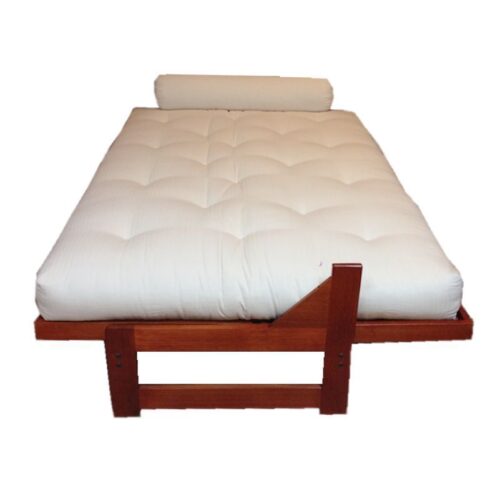
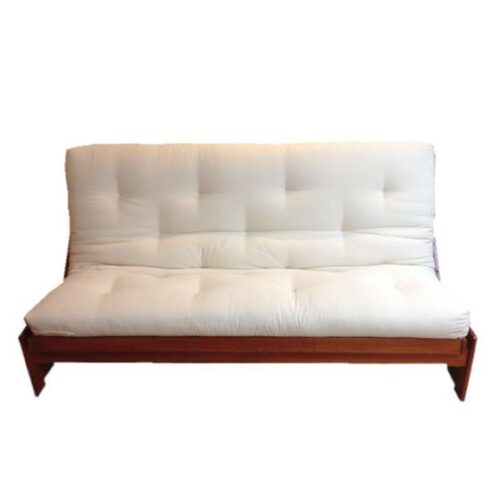
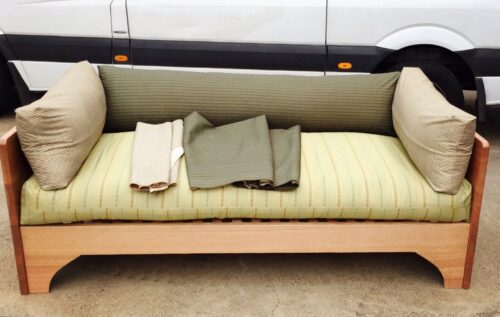

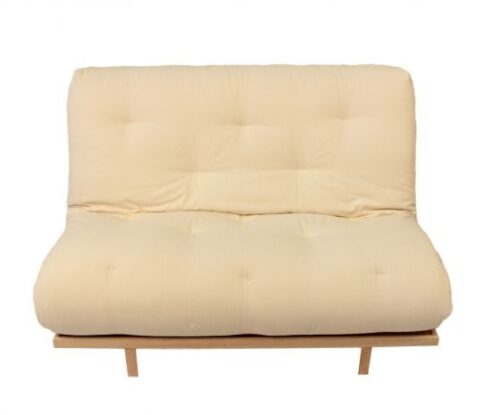




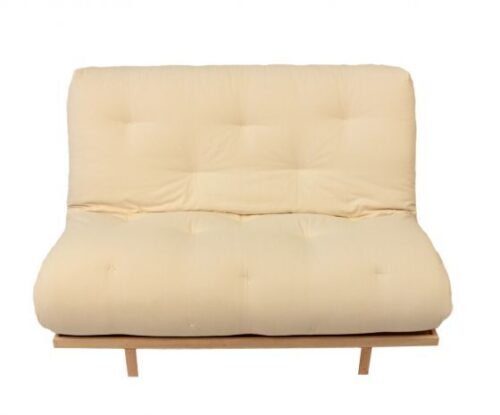



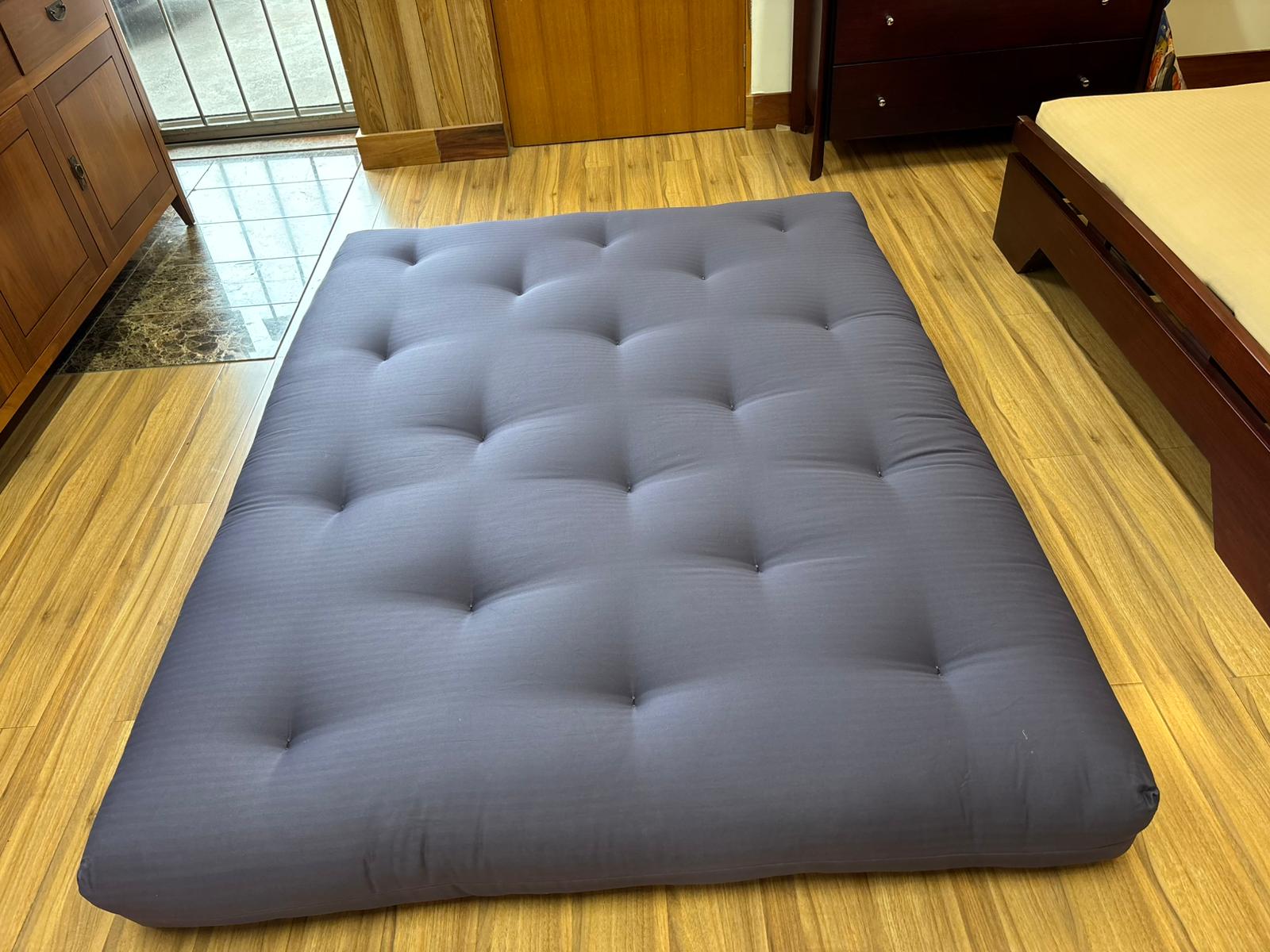

For everyday sleeping, comparing futons around 13–18 cm thick is a sensible starting point, provided the materials, firmness and base suit you. Thinner 7 cm floor futons create a firmer feel, while 20–22 cm designs offer extra depth but can be heavier and harder to fold; there is no universally ideal thickness.

Futon mattresses continue to attract Australian shoppers seeking flexible, space-saving sleeping options for apartments, guest rooms and multifunctional homes. Unlike a conventional mattress, a futon may be designed for a fixed bed, a folding sofa frame or a low-profile floor setup. That versatility is appealing, but each arrangement needs the right balance of cushioning, support and airflow.
Now choosing a futon that looks comfortable online is easy, but choosing one that feels right every night and fits your frame is trickier. People often buy the thickest option, overlook the filling or forget to check how a sofa bed folds. This futon mattress thickness guide 2027 explains the real differences between common depths, how Australian homes affect care, and seven practical checks to complete before spending your money.
What Thickness Should a Futon Mattress Be?
The right thickness depends on whether your futon is your main bed, an occasional guest mattress, a sofa-bed cushion or a floor-sleeping mat. For regular use, start with comfort and support, then work backwards to the depth your base can safely accommodate.
A futon’s advertised depth describes its overall profile, not how soft it will feel. That is exactly why two mattresses measuring 15 cm can behave differently when one contains layers of cotton around foam, and another uses a different core or covering. Likewise, a 20 cm mattress may feel firm rather than plush.
Importantly, thickness isn’t the same as quality or lifespan. Construction, the condition of the supporting surface, regular care and how the mattress is used all influence performance.
Futon Mattress Thickness Guide: 7 cm vs 12 cm vs 15 cm vs 20 cm
You may refer to this futon mattress thickness in cm comparison to narrow your options, not as a promise of comfort.
| Approximate depth | Good starting point for | Main trade-off |
|---|---|---|
| 7 cm | Low-profile, firm floor sleeping | Limited cushioning; ventilation and airing matter |
| 12 cm | Portable or occasional-use arrangements | Easier handling, but may feel firm on hard surfaces |
| 13–15 cm | Everyday sleep or some convertible frames | Balance of depth and practicality depends on the filling |
| 16–18 cm | Regular sleeping with different material options | Check weight, support and the chosen base |
| 20–22 cm | Fixed-base sleepers wanting greater depth | Bulkier, potentially heavier and not automatically foldable |
Note: These ranges are guides, not universal safety or comfort standards. In addition, a mattress may settle as its natural-fibre layers compress, so ask whether the stated measurement is new, unpacked or measured after use.
How Thick Should a Futon Mattress for Everyday Use Be?
A futon mattress for everyday use needs to feel comfortable through a full night, not just during a quick showroom sit. For many shoppers, 13–18 cm is worth comparing first, although a firmer or deeper option may be preferable depending on the individual.
Side, Back and Stomach Sleepers
Side sleepers often need enough cushioning around shoulders and hips, so they may find a thin, firm floor futon unforgiving. Back sleepers may enjoy a firmer, even surface, while stomach sleepers should pay attention to whether their midsection sinks excessively.
However, sleeping position is only one part of the choice. Body size, existing aches and personal preference also matter; persistent pain warrants advice from a qualified health professional rather than a mattress-thickness promise.
Regular Sleep vs Occasional Guests
If you’ll sleep on the futon every night, prioritise the feel, support and upkeep you can live with long term. Guest mattresses can sometimes prioritise easy storage or folding because they’re used less frequently.
For a sofa bed used for both sitting and sleeping, compatibility becomes equally important. The most luxurious thick futon mattress is of little use if it prevents the frame from closing properly.
How Futon Mattress Materials Change Comfort and Support
Futon mattress materials change the way a given thickness feels. Rather than selecting by centimetres alone, ask what sits inside the cover and how the layers work together.
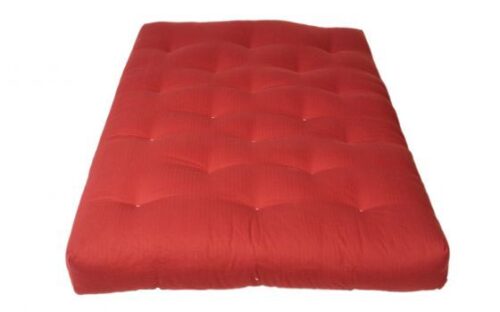
- Cotton: Often produces a comparatively firm, traditional feel. Over time, its fibres can compact, making regular rotation and airing useful.
- Wool: Can be used in comfort layers alongside cotton or a core. The complete construction determines the resulting feel, not the presence of wool alone.
- High-density foam: Provides a defined central layer in many Western-style futons. Its density, thickness and surrounding fibre layers influence the support you experience.
- Latex: Offers a responsive feel, although latex thickness, firmness and the weight of the complete futon vary by design.
However, if you want to know more about how different futon mattress materials affect comfort and support, explore the construction of a foam cotton wool futon and a latex futon to understand how their internal layers differ.
7 Checks Before Choosing Your Futon Mattress
1. Check How Often You Will Sleep on It
What to check: Decide whether the futon is a permanent bed, an occasional guest option or mainly a seat. That decision determines whether nightly cushioning or easy folding should take priority.
If it fails: If a lightweight guest futon seems uncomfortable during an extended trial, don’t assume it will improve after months of nightly use. Compare a more suitable construction before purchasing.
2. Check Firmness Against Your Sleeping Position
What to check: Lie in your normal position long enough to notice pressure around your shoulders, hips and lower back. Then compare mattresses with different fillings rather than judging them by height alone.
If it fails: Try a different firmness or layer structure. Avoid treating a particular thickness as a medical solution, especially if discomfort is persistent.
3. Check the Core and Expected Compression
What to check: Ask for the full layer order, core material and stated new-mattress thickness. Natural fibres can settle, so also ask how the maker recommends maintaining a consistent sleeping surface.
If it fails: If construction information is vague, request written specifications before ordering. A well-described 15 cm mattress is easier to evaluate than an unexplained 20 cm model.
4. Check Futon Frame Compatibility
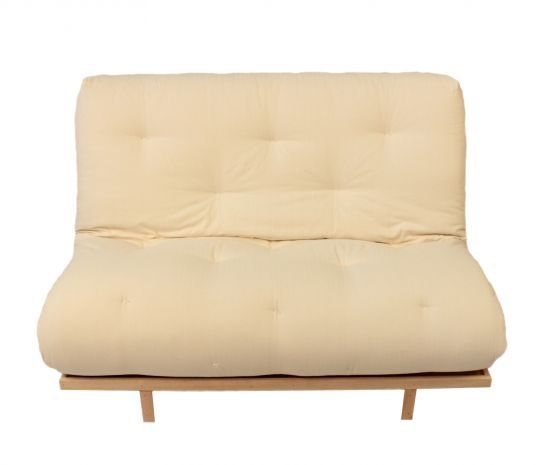
What to check: Measure the base’s usable length and width, inspect its hinges and confirm the approved mattress types. Some tri-fold frames accept only specific cotton-and-foam constructions rather than every thickness available.
If it fails: Do not force a thick mattress into the mechanism. Seek a compatible mattress or switch to a fixed bed base; also confirm slat shape and spacing against the mattress instructions.
5. Check Floor Contact and Moisture Exposure
What to check: Identify whether the futon will sit on timber, tiles, a ventilated slatted base or a tatami-style surface. In Melbourne’s colder, damper periods, a mattress left directly on a cool floor may trap moisture underneath.

If it fails: Lift and air the futon regularly, inspect the underside and choose a setup that supports airflow. Don’t keep using a damp or mould-affected sleeping surface without addressing the moisture source.
6. Check Weight, Lifting and Storage
What to check: Find out the mattress weight in your chosen size and whether you can rotate, lift or store it safely. Thicker constructions may be awkward to handle, especially in a small apartment or a home with narrow stairs.
If it fails: Choose a more manageable model or plan suitable assistance and a permanent base. Don’t buy a mattress that requires frequent lifting you cannot comfortably manage.
7. Check Long-Term Care and Real Cost
What to check: Compare construction, cover options, care requirements, delivery costs and frame needs alongside the initial price. A lower purchase price may be less attractive if the setup needs additional accessories or frequent handling.
If it fails: Recalculate the full purchase and ownership requirements. Ask about care, warranty terms and suitability before committing, rather than judging value by thickness alone.
When Is a Thick Futon Mattress Worth Buying?
A 20–22 cm futon may appeal if you prefer greater depth, have a suitable fixed base and can comfortably manage the mattress. However, extra thickness does not guarantee a softer feel, greater durability or relief from back pain.
The key comparison is construction, not a race to the highest number. A 16–18 cm latex-based design, for example, can have different characteristics from a thicker cotton-and-foam mattress. Therefore, compare the material layers and test the feel wherever possible.
Which Thickness Works with Your Futon Frame?
Futon frame compatibility should be confirmed before choosing any depth. A folding sofa-bed frame has different requirements from a flat timber platform, so a mattress that works brilliantly on a bed may be unsuitable on a tri-fold mechanism.
Measure the internal sleeping area and check hinge clearance, folding action, slat shape and gap width. Some specialist latex mattresses require flat slats with gaps no wider than 55 mm, while some tri-fold bases specify compatible mattress models; these are model-specific instructions, not universal rules.
If you’re replacing a mattress, compare its construction with the frame maker’s guidance. The tri-fold bed base specifications provide a useful example of why the approved mattress list matters more than guesswork.
Best Futon Mattress Australia: Choosing the Right Configuration
There isn’t one best futon mattress Australia-wide because a floor sleeper, an everyday bed user and a sofa-bed owner need different things. Instead, match the mattress to the job before weighing up cost or colour.
For a minimalist floor setup, start by examining a tatami-style floor futon and planning daily ventilation and for a fixed bed, compare mid-depth and deeper futon mattresses according to feel, materials and the supporting base.
Also, before buying, ask for dimensions, the internal layer sequence, care instructions and any frame restrictions in writing. Most importantly, check the seller’s terms and your rights under the Australian Competition and Consumer Commission’s consumer guarantees guidance, which explains protections when goods do not meet Australian consumer guarantees.
Frequently Asked Questions
Is a 10 cm futon thick enough for everyday sleeping?
It may suit someone comfortable on a firm, low-profile surface, but 10 cm is not automatically enough for everyone. Consider sleeping position, materials and the base before treating it as an everyday option.
Is a 15 cm futon mattress comfortable for side sleepers?
A 15 cm futon may suit some side sleepers, particularly with appropriate cushioning layers. However, pressure at the shoulders and hips depends on firmness and materials, so test the mattress if possible.
Is a 20 cm futon mattress too thick for a sofa bed?
It may be too thick for some folding sofa-bed mechanisms. Always follow the frame maker’s approved mattress specifications instead of relying on overall depth alone.
Is cotton or latex better for a futon mattress?
Neither is universally better. Cotton often feels firmer and may compact with use, while latex can feel more responsive; the final result depends on the complete mattress construction.
Can I put a futon mattress directly on a wooden floor?
You can use suitable floor futons on timber, but moisture can collect underneath without airflow. Lift, air and inspect the mattress regularly, particularly in cooler or humid conditions.
Do futon mattresses get thinner over time?
Some compression is normal with fibre-filled futons as layers settle. Ask the manufacturer about expected changes, rotation and care rather than assuming the advertised new depth will remain unchanged forever.
Should I choose the thickest futon mattress I can afford?
No. Choose the mattress that suits your sleeping preferences, construction needs and frame, then compare value. Greater thickness can create handling and folding problems without improving comfort for you.
Ready to Compare Futon Mattresses?
Investing in the right futon mattress is about more than finding a comfortable place to sleep; it’s about choosing a product that delivers lasting comfort, reliable support and practical everyday use. A well-suited mattress can improve your sleeping experience while complementing your available space and lifestyle. That is why, taking the time to compare thickness, materials and construction will eventually help you make a worthwhile investment and avoid unnecessary replacement costs.
For an informed purchase decision, you may start with how you sleep, the base you own and the level of firmness you prefer. Then you can explore the available futon mattress range or ask for advice about thickness and compatibility before choosing. Remember, a few careful checks now can prevent an expensive mismatch later.
